
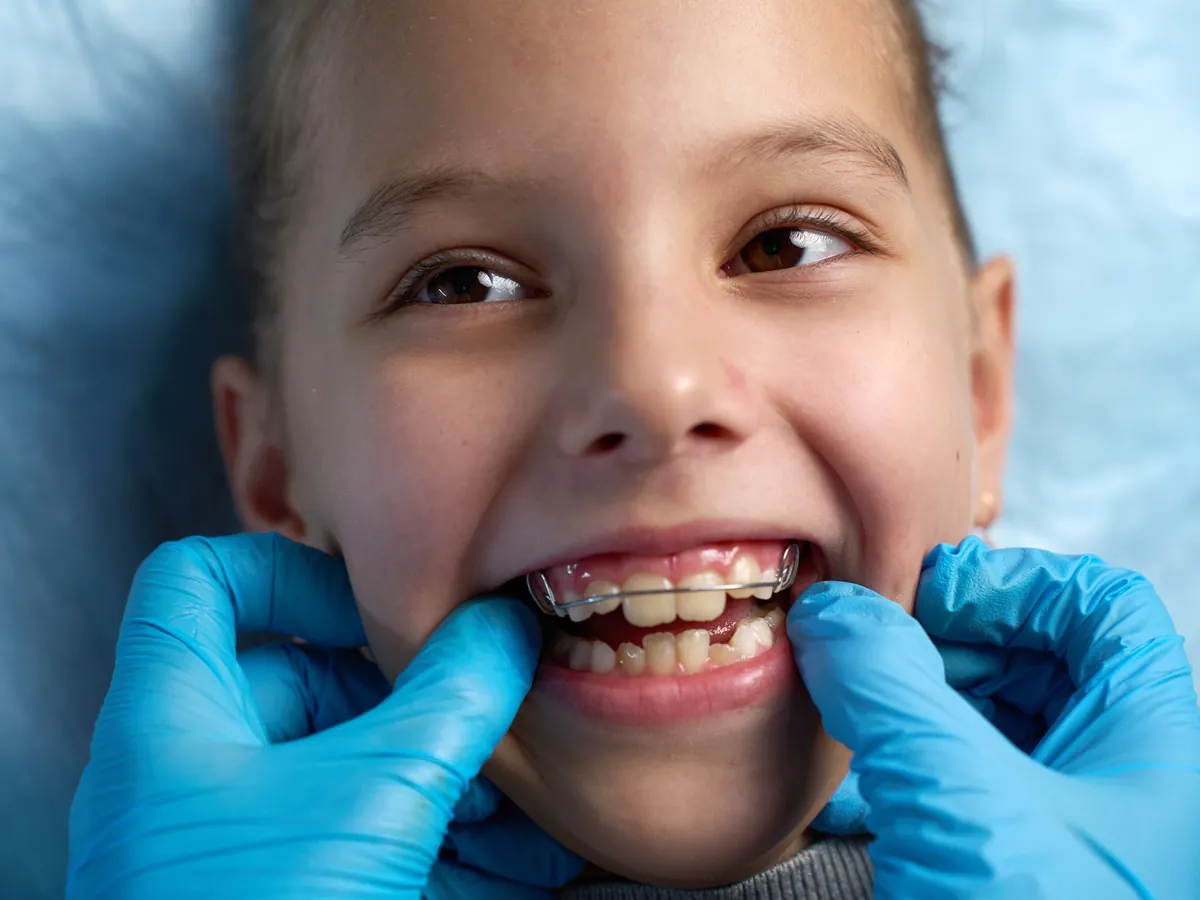
We explain what we recommend, and why, before any treatment begins. Our commitment to you
A child’s first dental visit is recommended by the first birthday or within six months of the first tooth. Early visits are short: a look, a count, a chat with the parent, so that the dentist becomes a familiar face before anything needs doing. Parents stay with their child throughout, and nothing is done at a visit the child has not been prepared for.
Who it is for, and when it is considered
Every child, from the first tooth to the last adult molar. The milk teeth matter more than their short life suggests: they hold space for the adult teeth, they are where chewing and speech are learned, and decay in them hurts just as much. Six-monthly check-ups through childhood catch decay while it is small and let the dentist watch how the adult teeth are arriving.
What the assessment decides
A child’s check-up looks at the teeth, the gums, the bite and the habits: thumb-sucking, a bottle at night, how the brushing is going. Small X-rays are taken only when there is a reason, and are explained to the parent first. From the visit the dentist can say whether any teeth need treatment, whether the grooves of the new molars would benefit from sealing, whether fluoride varnish is worth applying, and, from around age seven, whether the way the adult teeth are coming through is worth an early orthodontic look.
What happens at the different ages
| Age | What is usually done |
|---|---|
| First tooth to 3 | Short familiarisation visits; brushing and bottle advice; a look at the teeth as they arrive |
| 3 to 6 | Full check-ups; fluoride varnish; fillings in milk teeth where needed; habit advice |
| 6 to 12 | Fissure sealants on the first and second adult molars as they come through; monitoring of the changing dentition; an orthodontic look around age seven |
| 12 and over | Adult check-ups; braces or aligners assessed once the adult teeth are in; mouthguards for contact sport |
What it involves for the child
A first filling in a milk tooth is usually quick, with the tooth numbed after a numbing gel on the gum. Fissure sealants and fluoride varnish take minutes and involve no drilling. A child who is anxious is given time: a visit may be spent simply counting teeth and going home. If a child needs more treatment than they can manage in the chair, the options are discussed with the parent rather than pressed on the day.
What parents can do at home
Brush twice a day with a fluoride toothpaste from the first tooth, a smear for the youngest, a pea-sized amount from about three, and help with brushing until around seven or eight, because a child’s hands are not yet up to the job. Keep sugary drinks to mealtimes, never in a bottle at bedtime, and drink water in between. A knocked-out adult tooth is an emergency: keep it moist in milk and call at once.
Questions people ask
When should my child first see a dentist? By the first birthday, or within six months of the first tooth. It is a short visit, and it makes every later one easier.
Do milk teeth need fillings if they will fall out anyway? Often, yes. Decay in a milk tooth hurts, can infect the adult tooth forming underneath, and losing a milk tooth early lets the others drift into its space.
At what age are braces considered? An orthodontic look around seven, treatment usually once the adult teeth are in. The braces and aligners page explains the planning.
Cost
A child’s check-up is charged at the consultation fee; fissure sealants, fluoride and fillings are itemised per tooth. Anything beyond the examination is explained to the parent and agreed before it is done.
 Dr. Preeti Kaushik
BDS · Dental Surgeon · Senior Associate Dentist