
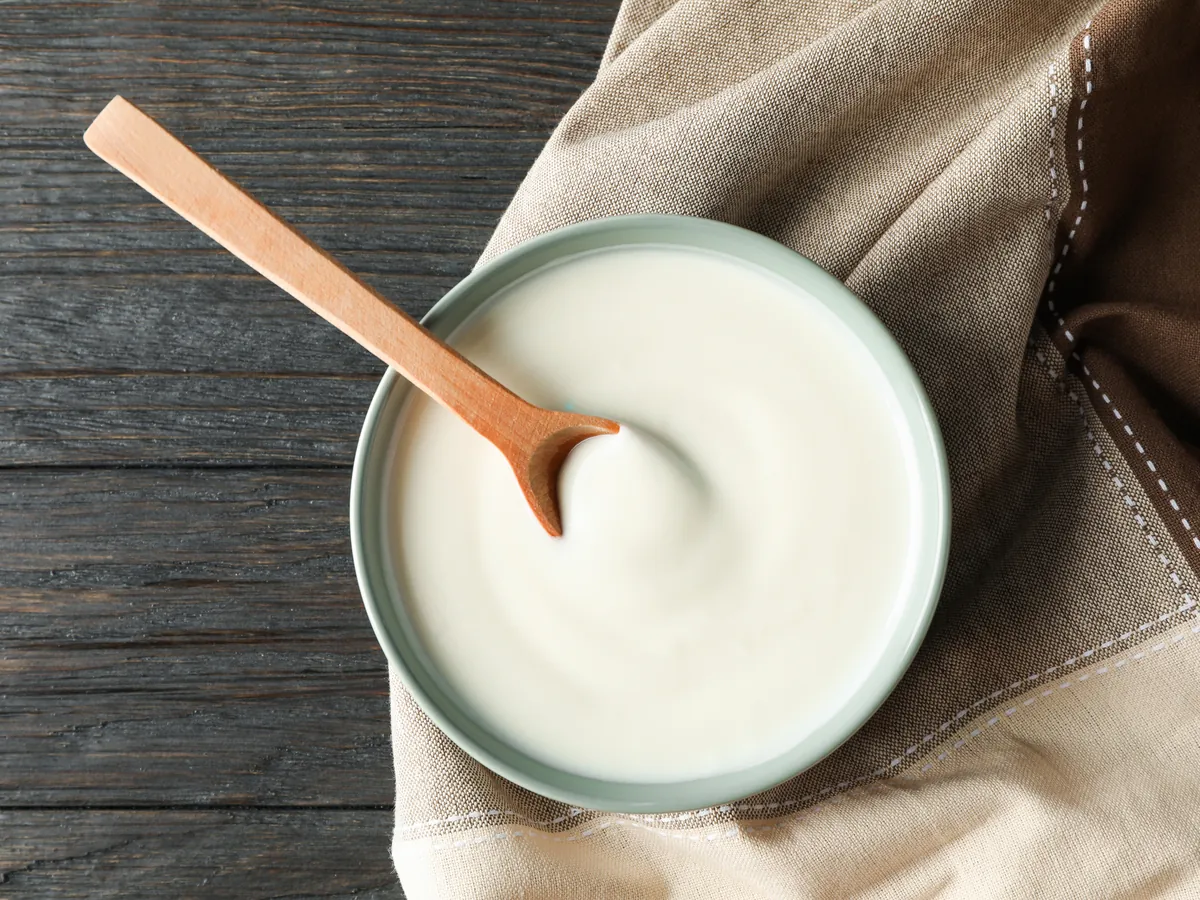
After an extraction, a wisdom tooth removal or an implant placement, what you eat for a few days has more to do with how well you heal than most people expect. The aim is simple: protect the blood clot in the socket, keep the area clean without disturbing it, and give the body the nutrition it needs to heal. Your dentist’s own instructions come first; this is the general shape they take.
The first 24 hours
Wait until the numbness has worn off before eating anything: it is easy to bite a numb cheek or tongue. Then keep it cool or lukewarm, soft and smooth: yoghurt, curd, lassi without seeds, smoothies spooned rather than sucked, mashed potato, soft khichdi, well-cooked dal, soup that is not hot, ice cream without nuts or chunks. Drink plenty of water, but do not use a straw: the suction can pull the clot out of the socket, and that is what causes the delayed, throbbing pain known as dry socket. For the same reason, no vigorous rinsing or spitting on the first day.
Days two to seven
Soft food still, chewing on the other side. Scrambled eggs, soft rice and dal, well-cooked vegetables, paneer, soft fish, bananas, oats, porridge, pasta cooked soft. From the day after surgery, rinse gently with warm salt water after meals, half a teaspoon in a glass, letting it fall out of the mouth rather than spitting hard. Brush your other teeth normally and be gentle near the site.
What to leave for a week or more
Anything hard, crunchy or sharp: chips, nuts, seeds, popcorn, crusty bread, hard rotis. Anything that leaves small pieces that can lodge in the socket: rice with hard grains, sesame, biscuits. Anything very hot, which can dissolve the clot and increase bleeding, and anything very spicy, which stings a healing wound. Alcohol slows healing and interacts with painkillers; smoking is the single most common reason a socket or an implant fails to heal, and the first week without it matters most.
After an implant specifically
The same rules apply, for longer. Keep food away from the implant site for the first two weeks, and do not chew on it even when it feels comfortable: the bone around it is integrating, and load at this stage is what disturbs that. If a temporary tooth has been fitted, it is for appearance rather than chewing. Your dentist tells you when the site can take normal food again, usually a matter of weeks, not days.
When to call
Bleeding that has not settled after an hour of firm pressure on a clean gauze; pain that gets worse after the third day rather than better; a bad taste or smell from the socket; swelling that is increasing after day three; or a fever. All of these are reasons to call during clinic hours rather than wait for a review.
The wisdom tooth removal and dental implants pages describe what the procedures themselves involve.
 Dr. Aashish Pandit
BDS, MDS, Periodontology & Implantology · Periodontist & Oral Implantologist