
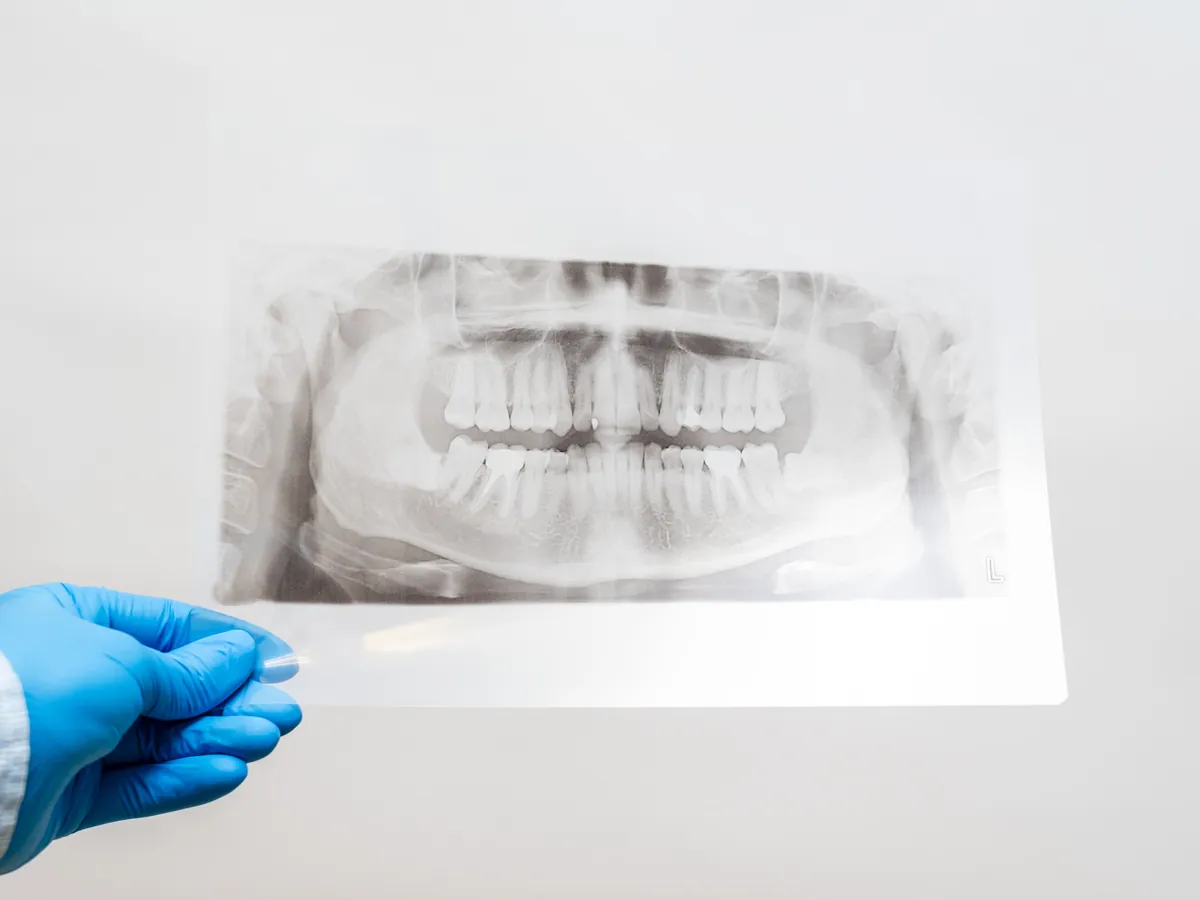
Bone shrinks after a tooth is lost, most of it in the first year, and a tooth that has been missing for years, or was lost to gum disease, may leave less bone than an implant needs. That does not rule out an implant; it changes the route to one.
How it is measured
A CBCT scan shows the height and width of bone and the position of the nerve in the lower jaw or the sinus in the upper. A judgement is made from that, not from a conventional X-ray alone.
The options
Grafting at the time of placement, for small deficiencies. Grafting first, then the implant months later, for larger ones, including a sinus lift in the upper back jaw. Shorter or angled implants that use the bone available. A bridge or denture instead, which is sometimes the sound answer rather than a compromise. Each adds a different amount of time, cost and surgery; the plan sets them side by side.
 Dr. Aashish Pandit
BDS, MDS, Periodontology & Implantology · Periodontist & Oral Implantologist